Tariff crisis becomes India’s geopolitical opportunity
India turns tariff crisis into a geopolitical advantage
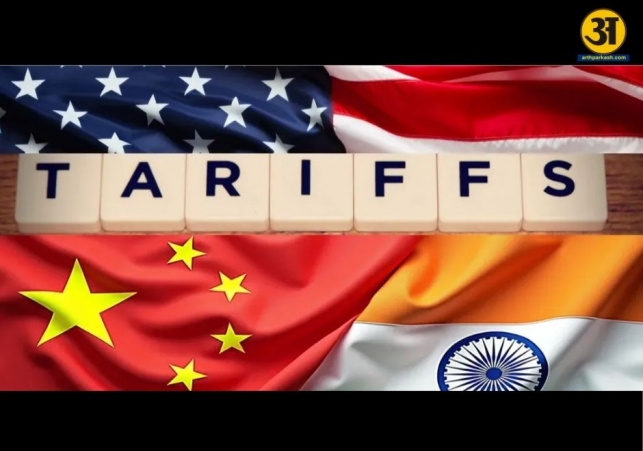
The recent US decision to impose a 50 per cent tariff on India’s exports could have been a major setback. Instead, India, under Prime Minister Narendra Modi, has used this challenge to strengthen its global position. By responding calmly and strategically, India has managed to protect its economy, maintain its energy partnerships, and enhance its influence on the world stage.
When the US first announced a 25 per cent baseline tariff, followed by an additional 25 per cent related to India’s purchase of Russian oil, it aimed to pressure India over its energy ties with Russia. Many expected India to react strongly. However, the government chose a careful and measured approach. Foreign Minister S. Jaishankar responded by highlighting that India’s energy imports were previously encouraged by the US to maintain global stability. He also pointed out that China, which imports far more Russian oil, faced no similar restrictions.
India’s economic strength allowed it to absorb the impact of these tariffs. With $702 billion in foreign exchange reserves and a domestic economy driven by local demand, India can handle a projected 0.3–0.4 per cent drop in GDP for 2025–26. Additionally, the services sector, including pharmaceuticals, was exempt from tariffs, softening the potential blow. Rather than reacting with retaliation, India used the moment to diversify its global partnerships and showcase its strategic autonomy.
Reviving old alliances and balancing powers
The tariff challenge has reinvigorated India’s ties with Russia and China while maintaining a healthy relationship with the West. India’s long-standing partnership with Russia strengthened further during recent diplomatic visits. Oil imports from Russia rose to 1.6 million barrels per day in early 2025, up from just 50,000 barrels in 2020. Bilateral trade reached $68.7 billion by March 2025, with India boosting exports in pharmaceuticals, agriculture, and textiles. Meetings between PM Modi and President Putin have focused on deepening trade and addressing regional issues, including the Ukraine conflict.
Meanwhile, India-China relations have cautiously improved after tensions following the 2020 Galwan clash. Chinese Foreign Minister Wang Yi visited New Delhi in August 2025, and PM Modi plans to attend the Shanghai Cooperation Organisation (SCO) summit later this month. Both nations agreed to resume direct flights, share river data, and ease visa rules, helping boost trade and investment. China also lifted restrictions on rare earth minerals, crucial for India’s tech and manufacturing sectors. Discussions on resolving border disputes and RIC (Russia-India-China) cooperation have gained momentum, showing India’s ability to balance rivalry with partnership.
Strengthening Western ties
At the same time, India has expanded its engagement with Western countries to offset the effects of US tariffs. A landmark Free Trade Agreement with the UK will increase bilateral trade by £25.5 billion and aims for $120 billion by 2030. The deal reduces tariffs on UK exports while protecting sensitive Indian sectors, diversifying India’s global trade options.
India’s relations with France and the European Union have also grown stronger. France remains a key partner in defense, energy, and technology, while ongoing EU-India trade negotiations aim to increase cooperation further. By building multiple partnerships, India reduces dependency on any single power while enhancing its global leverage.
The US remains an important partner despite the tariff dispute. India’s role as a Quad member and a counterweight to China ensures that the US cannot ignore its strategic importance. Technology, defense, and space cooperation, including the NASA-ISRO joint mission, continue, and US firms like Apple are increasing investment in India. The appointment of a new US ambassador signals Washington’s intent to maintain a long-term relationship. India’s measured response has allowed it to negotiate on its terms while protecting sensitive sectors like agriculture.
ALSO READ: Why the UN declaring a famine in Gaza holds critical global importance | Explained
A new era of strategic influence
The tariff crisis has revealed India’s ability to turn a challenge into an advantage. By deepening ties with Russia and China, strengthening partnerships with the UK and EU, and keeping the door open for US re-engagement, India has demonstrated diplomatic maturity. PM Modi’s leadership, combining domestic initiatives like Make in India with international diplomacy, has turned potential setbacks into opportunities for influence and growth.
India now stands stronger in a multipolar world. Its careful handling of the US tariff issue shows resilience, strategic thinking, and the ability to balance multiple global relationships. The crisis has highlighted India’s role as a confident, independent player capable of defending its interests while fostering global partnerships. This is a clear example of how India can use challenges to assert itself as a major power and shape its own destiny on the world stage.
Related News